
Cooking With Real Ingredients


This post may contain affiliate links. We only promote products we actually use and truly love!
A core principle in our kitchen is cooking with real ingredients. That means:
- Using whole, minimally processed foods as often as we can
- Making things from scratch when it makes sense to
- Being mindful of ingredient selection when we use store-bought alternatives
Why do we do this? For a number of reasons, the two most important being:
- Real food tastes better.
- Real food is better for us.
As Alice Waters puts it, the less distance our food has to travel to get to our plates, the better it tastes! When we adopted this mindset, our dinners became more flavorful, our cooking skills improved, and our bodies felt more satisfied without feeling heavy or bloated.
If you’re curious about cutting back on processed and store-bought foods and you want to start cooking with real ingredients, this article covers all of the habits we’ve put into practice over the last 5+ years. From the ingredients we buy regularly, to what we cook from scratch (and what we don’t), to the things we look out for on ingredient labels when choosing store-bought—we hope this deep dive into our kitchen inspires you!
Learn more about our approach to wholesome comfort food here.
TL;DR
Ingredients You’ll Always Find In Our Kitchen
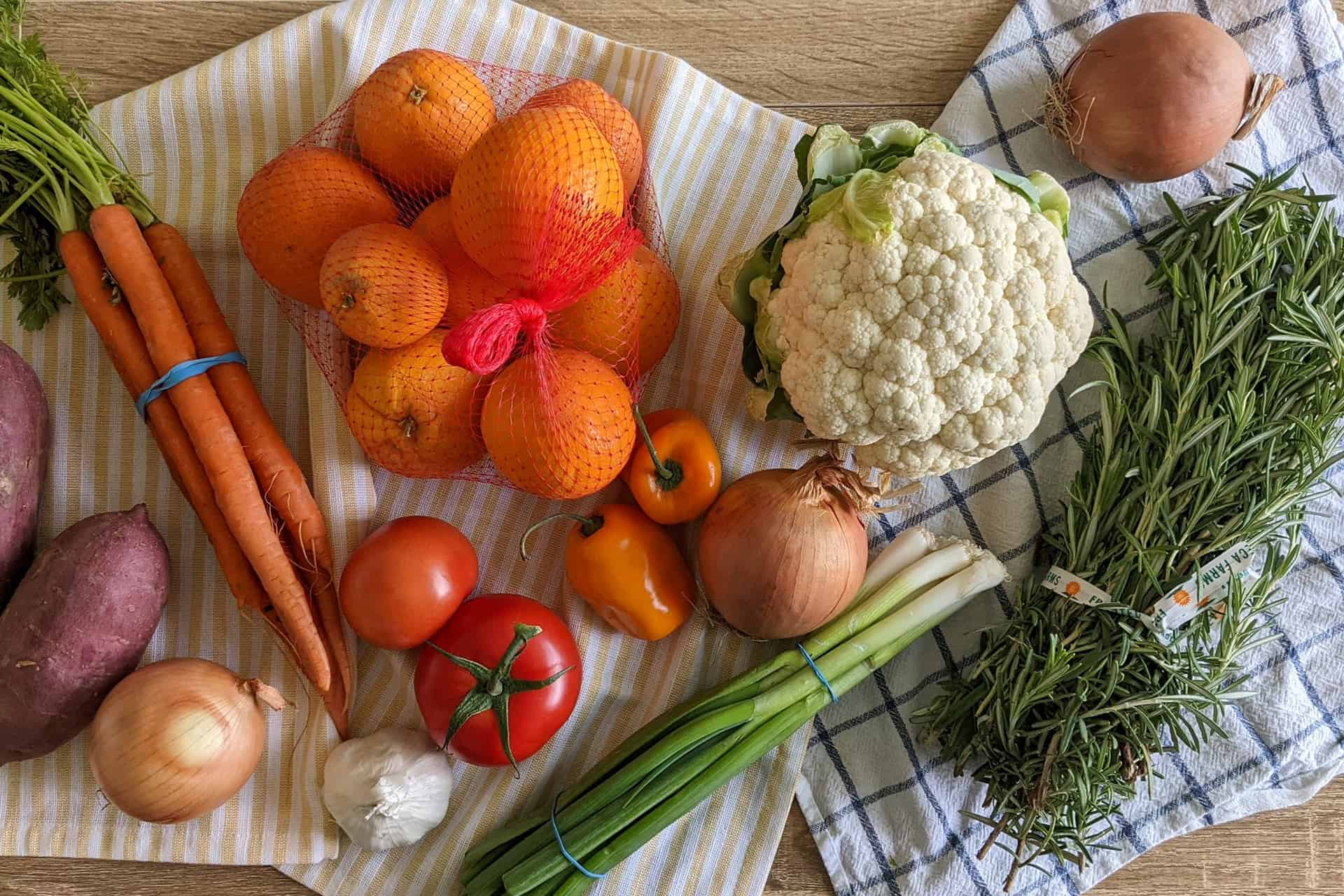
We know it’s important to eat our veggies, get enough protein, and avoid eating too many unhealthy fats. So when it comes to developing recipes that feel good for both our bodies and our souls, there are a few ingredient groups we rely heavily on – and these are what make up the bulk of our grocery trips.
Chicken, Pork, Beef and (Occasionally) Fish
Chicken is by far our favorite lean meat to cook with because it’s so versatile and rich in protein. It’s also very affordable at our local Costco, which allows us to buy it in bulk and freeze it so it’s always on hand when we want an easy protein. We especially love making freezer-friendly chicken marinades with ingredients from our pantry.
We eat pork most often in the form of pulled pork, which we make in our slow cooker, and bacon for an alternative protein that satisfies our comfort food cravings. Similarly to chicken, we often buy this in bulk and cook up a whole bunch of pulled pork to keep in the freezer.
We’re eating beef less and less often these days, but we’ll occasionally have burgers, carne asada, meatballs, and cheesesteaks when the craving strikes! If we’re buying ground beef, we look for 85/15 or 90/10 (leaner cuts).
From time to time, we’ll also cook with fish (most often cod or shrimp), especially in the summer. Although salmon is one of the healthiest fishes, neither of us have acquired a taste for it yet… but maybe someday!
Bread, Rice, and Pasta
We love carbs!
Seriously though: we eat bread, rice, and pasta every single week. And the key to feeling good while enjoying our favorite carbs? Choosing homemade bread over store-bought, balancing what kinds of rice we eat, and selecting more authentically made pasta (and occasionally making it from scratch).
Bread: Alex bakes us loaves and pizza dough from Ken Forkish’s Flour Water Salt Yeast cookbook (highly recommend!) almost weekly. Sometimes we indulge in white bread, other times we make a 50/50 whole wheat loaf. If we want store-bought instead, we’ll choose a multigrain loaf from the bakery that’s as minimally processed as possible. Same goes for other bread products like naan, pita, and sub rolls. This is where buying local really helps. The further foods have to travel, the more processed they generally need to be. Locally made breads are normally preservative-free, or at least very close to it!
Rice: We always have at least 4 kinds of rice in our pantry – white, brown, jasmine, and basmati. Depending on the type of cuisine we’re cooking, we’ll rotate between these options as they all provide unique flavors, textures, and health benefits. Occasionally we’ll also pick up a bag of wild rice for a highly nutritious, earthy option.
Pasta: Whole wheat pasta just doesn’t hit the same as traditional pasta when it comes to making comfort food. So instead of using “healthier” pastas that don’t taste as good, we opt for brands like DeCecco that make pasta the traditional way: slow dried and bronze drawn, and made with 100% durum wheat semolina. This type of pasta is actually easier for our bodies to digest than many mass-produced pastas in America, and we definitely noticed a difference after switching brands.
Side note: Carbs are a cornerstone of comfort food, and they’re not bad for you, despite what some may say. “Carbohydrates” is just an umbrella term for sugars (simple carbs), starches (complex carbs), and fiber. And your body needs these things for energy!
Nuts and Legumes
Cashews, almonds, and pistachios are some of our favorite nuts to have in the pantry for both cooking and snacking! We also love cashew butter, almond butter, and peanut butter for getting healthy fats and protein into our days.
Beans and lentils are a staple in our kitchen and take center stage in many of our wholesome comfort food recipes. We often stock up on canned black beans and garbanzo beans for convenience, but we also like to buy dried black beans and pinto beans for making our own refried beans in the slow cooker (we find them to be much more flavorful and a better texture than canned options).
Red lentils are our go-to, but we’ve also cooked with green lentils and plan to expand our repertoire of lentil recipes soon! Right now, we’re pretty obsessed with our coconut red lentil soup when we’re craving something both comforting and nutritious.
Fresh Fruits and Vegetables
Every time we go grocery shopping, at least half of our cart is from the produce aisle. That’s how much we love cooking with fresh fruits and vegetables.
Leafy greens: Spinach is probably our favorite ingredient for protein and all the vitamins, minerals, and antioxidants our bodies need. But we also love arugula and romaine lettuce for salads, sandwiches, and even pizza toppings (like our BLT pizza!)
Peppers: When we want flavor, heat, and health benefits all in one, peppers are the answer. We love using all kinds of peppers – bell, jalapeno, habanero, Anaheim, Poblano, Fresno – for a variety of cuisines. One of our favorite fun facts is that capsaicin (what makes peppers spicy) actually boosts metabolism!
Avocados: Did I mention we love Mexican food? We often enjoy avocados on burrito bowls or mashed with lime juice and salt for taco night. When they’re on sale, we’ll always pick up a few extra for avocado toast on Alex’s homemade bread, topped with a drizzle of EVOO and some fancy sea salt.
Berries and other fruit: Berries are an antioxidant powerhouse, so we snack on them and use them in smoothies whenever we can. Other fruits we love to cook with are apples and pineapple for the fresh, crisp flavors they bring to certain dishes, like our baked brie and apple sandwich.
Eggplant, zucchini, and cucumbers: We like to think of this as our Mediterranean trifecta. We often roast and season them with flavorful spices to go with chicken, rice, and hummus. We also love making homemade tzatziki with fresh cucumber and baba ganoush with roasted eggplant.
Cauliflower and broccoli: Not that exciting on their own, but absolutely delicious when incorporated into flavorful recipes like air fryer chipotle cauliflower tacos or broccoli cheddar soup. Spanish fried cauliflower with garlic aioli dip is also a totally underrated dish that we love making for tapas nights!
Tomatoes: Tomatoes are one of our favorite ingredients to cook with, especially when they’re fresh from our own garden or the farmer’s market. And when they’re not in season, we stock up on canned tomatoes. They’re so versatile and can be used in virtually any cuisine – we make everything from pico de gallo and pizza sauce to pineapple chicken curry and slow cooker gochujang chicken with tomatoes.
Root vegetables: Carrots, onions, potatoes, and sweet potatoes are all staples in our cooking and full of vitamins, minerals, and antioxidants (not to mention, tons of flavor!). We especially love using potatoes and sweet potatoes for how comforting and filling they can be, and onions have a place in almost all of our recipes. We also love using shallots when we want a more “upscale” onion with milder flavor.
Corn: We love using all forms of corn! Fresh corn is best in the summer, but otherwise we usually have frozen kernels on hand for cooking and popcorn kernels in the pantry for snacking. We also make tacos nearly every week with homemade corn tortillas (they’re the best – once you try them, you’ll never go back to store-bought!), so you’ll always find Masienda Masa Harina and corn tortilla chips in our pantry. Check out our guide for how to make homemade corn tortillas for tacos.
Garlic and ginger: Garlic and ginger add so much flavor to food. We use garlic in almost everything we cook. We always have a giant jar of minced garlic in the fridge for ease since we cook with it so often, but we’ll buy fresh garlic every now and then to make our own roasted garlic aioli, garlic udon noodles, or bruschetta with fresh tomatoes and basil in the summertime. Same goes for ginger – we use it often enough that we buy the bottle of minced ginger to keep in the fridge, and it’s perfect for soups, curries, and stir fry.
Fresh herbs: Fresh herbs are one of the easiest ways to add flavor and lightness to a dish. We love cooking with basil, oregano, rosemary, mint, and dill.
Citrus: Fresh limes and lemons are always on our shopping list! Citrus has so many health benefits and is one of the best ingredients for enhancing flavor (along with salt). Fresh lime or lemon juice goes into almost everything we cook, and makes a great natural flavoring for seltzer water, mocktails, and cocktails.

Eggs
Eggs are a great source of protein and healthy fats, and they’re not just for breakfast! While we love a good bacon egg and cheese sandwich for breakfast, we also love dishes starring eggs as “brunch for dinner” or just plain dinner. Our small batch shakshuka for two, chilaquiles verdes, and chilaquiles rojos are all staples in our dinner rotation. And we love Asian dishes with eggs like chicken bibimbap and ramen!
Olive Oil
Olive oil is one of the best sources of heart-healthy fats. We use it all the time for cooking, dipping, drizzling, and more.
We like to buy a large jug of extra light cooking grade olive oil at Costco and keep some in a refillable bottle by our stove. It’s our go-to cooking oil because of its fairly neutral flavor and health benefits, although vegetable oil absolutely has its place for certain recipes and marinades.
We also keep a variety of “fancier” extra virgin olive oils on hand for finishing dishes like pasta and pizza, drizzling over avocado toast, tossing with popcorn, or dipping with homemade bread. We’re big fans of flavored olive oil and balsamic vinegar pairings, so we always have at least a few different flavors of both in our pantry. We can’t recommend enough going to your local olive oil store and sampling all the different flavors they have.
Dairy and Dairy Alternatives
Many of the satisfying flavors and creamy textures we love in comfort food come from dairy, whether it’s cheese, cream cheese, yogurt, or a cream-based sauce.
Cheese: We love cheese. So much that we could easily dedicate a whole category of comfort food to “cheesy recipes.” But not all cheeses are made equal, so we like to use a variety of cheese in our cooking to balance indulgence with nutrition! Cheddar is a staple for us, but we also love mozzarella, parmesan, and cottage cheese for high protein options.
Yogurt: You’ll always find a large container of Fage Greek yogurt in our fridge (sometimes 2!). It’s our go-to high protein breakfast with granola and a drizzle of maple syrup, but we also use it for savory dishes and sauces. We often combine it with lime juice and salt, or hot sauce and salt, to make a quick crema for tacos and burrito bowls. It’s also a great base for savory dips like tzatziki or our bacon jalapeno popper dip and crockpot Mexican street corn dip. Basically, we use it for everything!
Cream cheese: While it’s not always in our fridge, cream cheese does have its place in certain recipes because of its luxuriously smooth texture. And when we’re craving bagels and cream cheese on the weekend, we like to make our own flavored spreads like jalapeno salsa cream cheese and garlic and herb cream cheese.
Heavy cream, half and half, and milk: Some dishes just need a creamy sauce, so we occasionally buy full fat dairy to make silky pasta sauces, cheese sauces, or soups. We’ll never stop indulging in our favorite comfort foods like mac n cheese, plus the extra calcium is good for us!
Almond milk: Always in our fridge for smoothies, tropical acai bowls, and quick protein shakes (almond milk + chocolate protein powder). We find it’s a more enjoyable flavor and texture than cow’s milk for these types of recipes.
Spices
Spices actually come with a host of nutritional benefits, including plenty of antioxidants. Which is just one of the reasons why we love cooking from scratch and flavoring our dishes with spices instead of using store-bought seasonings and sauces.
Our spice cabinet is always very well stocked, with everything from chili powder and paprika to curry powder, Turkish oregano, and ground coriander! Since we cook dishes from so many different cuisines, we’ve got the whole globe in our kitchen.

Ingredients We Usually Make From Scratch
Not all things are worth making from scratch on a regular basis, either because they’re too time-consuming, too expensive, or much more work for little to no added flavor.
A few examples of things we’ll make from scratch very infrequently are pasta (delicious but hard to do in our small kitchen without making a mess), almond milk (not cheaper or necessarily better than store-bought), and sandwich rolls/burger buns (too time-consuming for something we want to be easy).
However, there are plenty of ingredients we find 100% worth it to make from scratch whenever we’re craving them:
- Bread – Like I said, Alex makes us artisan loaves almost weekly and it’s literally the best thing to ever happen in our kitchen. It makes the whole place smell incredible, it tastes delicious, and it’s perfect for everything: toast, sandwiches, dipping into oil and vinegar, etc. Bread baking is definitely a worthwhile hobby if you’ve ever wanted to try it!
- Pizza dough – Likewise, homemade pizza dough is so much better than store-bought. There are tons of different recipes out there, but we like Mastering Pizza and Flour Water Salt Yeast for most of our needs. We also make amazing focaccia with over-proofed pizza dough when we want a special treat.
- Pizza and pasta sauce – We stopped buying jarred sauce a long time ago, and instead make our own tomato sauce with simple pantry staples. It’s quick, easy, and very customizable depending on what flavors we’re in the mood for. Check out our easy pizza sauce recipe and spicy pizza sauce with Calabrian chilies for inspiration.
- Corn tortillas – Alex’s cousin got him a tortilla press a few years ago, and ever since we started making our own tortillas for taco night we’ve never gone back to store-bought! All it takes is masa harina, water, and salt. They taste incredible and make even the simplest taco nights feel special.
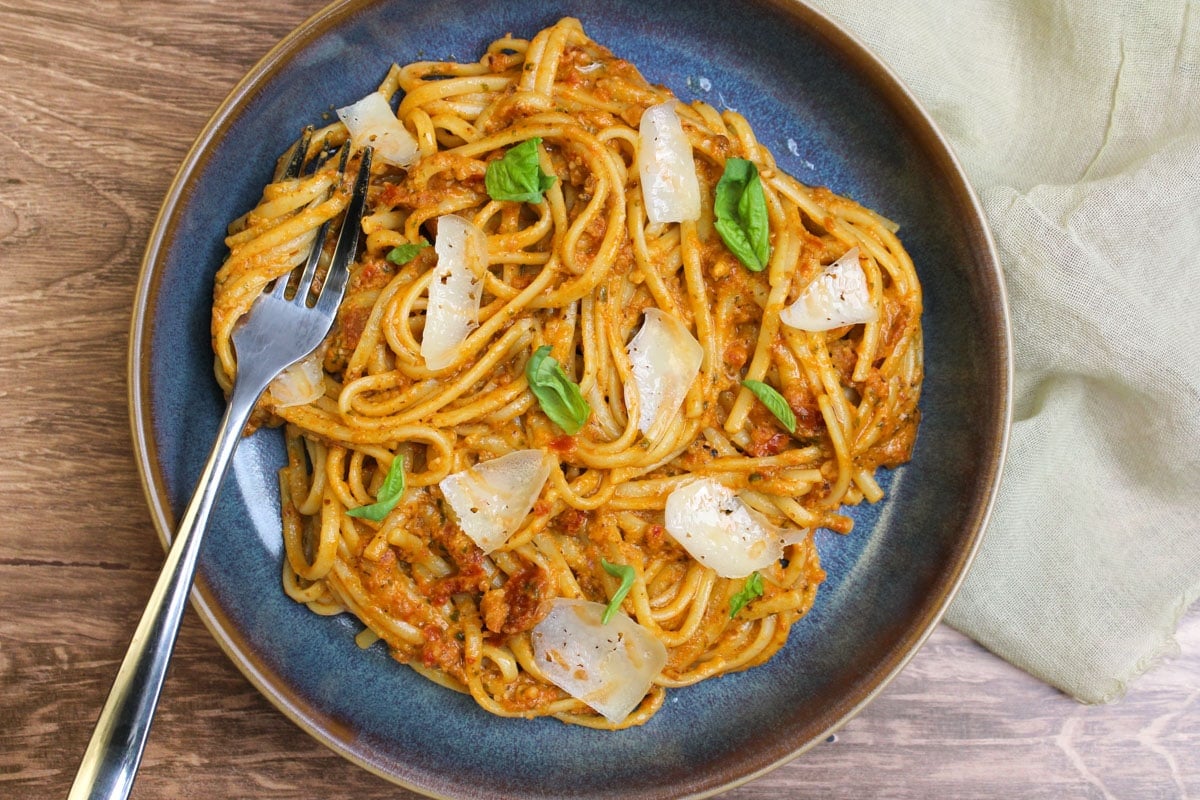
- Pesto – When we can get high quality fresh basil in the summertime, we’ll always opt for homemade pesto! We like to make both a nut-free basil pesto and sun dried tomato pesto using our food processor and a few pantry ingredients. Like tomato sauce, it’s so much more flavorful and customizable than store-bought options. (We do love Barilla Genovese pesto when we can’t find fresh basil, though!)
- Mayo and yogurt-based condiments – While we don’t make these entirely from scratch, we make a variety of condiments using either plain light mayo or plain Greek yogurt as a base. We often flavor these with citrus juice, roasted garlic, fresh herbs, hot sauce, and plenty of other ingredients to make delicious dips, sauces, and spreads, like avocado lime crema and chipotle mayo.
- Marinades – Chicken, steak, and pork marinades are something we always make from scratch so that we can customize the flavor profile of whatever we’re planning to eat. Sometimes it’s a simple 3-ingredient lemon chicken for sandwiches, other times it’s a flavorful citrus marinade for carne asada or slow cooker carnitas.
Store Bought Foods: What We Look For In Ingredient Labels
Like I said, it’s definitely not practical to make everything from scratch all the time. But because we like to use real ingredients as much as possible, it’s important for us to look at ingredient labels when we buy store-bought foods.
With a quick scan of an ingredient label, we can:
This is something we researched a lot when we decided to cut back on highly processed foods, and we’ve noticed a difference in flavor (and in how we feel!) since switching to less processed options.
That being said, here are 3 things we always look out for on ingredient labels:
- Mostly (or entirely) whole ingredients
- A short list of ingredients
- Ingredients we recognize – and can pronounce
Mostly (Or Entirely) Whole Ingredients
The first thing we look for is whole foods like fruits, vegetables, seed oils, herbs, grains, etc. This tells us that the food we’re buying is made with real ingredients, not artificial additives or preservatives.
A great example of this is curry paste. We compared the labels of Thai Kitchen red curry paste to our store’s generic brand, and here’s what we found:
- Thai Kitchen curry paste contains only whole foods: Garlic, Red Chili Pepper, Soybean Oil, Lemongrass, Galangal Root (Thai Ginger), Salt, Shallot, Coriander Root, Kaffir Lime Peel & Spices.
- Our store’s generic brand contains a mix of recognizable whole foods and additives: Water, red chili peppers, garlic, shallots, canola oil, lemongrass, sugar, salt, galangal, vegetable broth, lemon juice concentrate, spice extract, lime leaves, xanthan gum, spice, and potassium sorbate.
Since the Thai Kitchen brand uses entirely whole foods, it’s the one we choose.
A Short List of Ingredients
Typically, shorter ingredient lists go hand-in-hand with a food product being made from mostly (or entirely) whole ingredients. Anything beyond what’s necessary to make the food into its packaged state could be preservatives, artificial dyes, sweeteners, or stabilizers, which means additional processing.
The curry paste example above is helpful here, too. The extra ingredients in the generic brand like sugar, lemon juice concentrate, xanthan gum, and potassium sorbate indicate a higher processing level since they were added to alter the flavor, texture, and shelf-life of the curry paste.
So whenever we’re comparing two products at the store, the one with the shorter ingredients list is typically the less processed option, and the one we’re more likely to choose.
Ingredients We Recognize – And Can Pronounce
If we see an ingredient that we don’t recognize, we give it a quick Google to learn what it is, where it comes from, and why it might be used in the food we’re looking at.
We often find this helps us understand the reason for certain additives, which in turn helps us make a smart judgment call about whether or not we’re okay using that product, weighing it against other factors like cost and flavor.
For example, we recently learned that many cream cheese brands use gums as thickening agents and stabilizers. After comparing a few options at the grocery store, this is what we found:
- The generic brand contains multiple types of gums (xanthan, guar, and carob bean gums)
- Philadelphia cream cheese only contains carob bean gum
- Tillamook cream cheese doesn’t contain any gums
Tillamook is clearly the least processed option, with no gums. But in comparing Philadelphia to the generic brand, we learned that carob bean gum is a more natural option than xanthan gum. We love the flavor and texture of Philadelphia cream cheese, and it’s a more reasonable price at our store than Tillamook, so it’s our top choice most of the time. We’ll splurge on Tillamook every now and then when it’s on sale!
As for ingredients we can’t pronounce, or ones that just sound like something we shouldn’t be eating – like the polysorbate 60, potassium sorbate, and calcium disodium EDTA found in spray butter – these are a dead giveaway for higher levels of processing and we tend to avoid these foods.
Conclusion: Real Ingredients Are The Best!
It’s been over 5 years since we started making more conscious decisions about the ingredients we cook with, and we can confidently say that real ingredients win every time. They taste better, they’re better for our health, they’ve helped us lower our grocery bill, and they’ve given us the opportunity to become better cooks with every new recipe we make.
Is it more time-consuming to cook with real ingredients? Absolutely – but that’s the point. When we spend a little extra time treating our food right (and treating our bodies right, in turn), we get to experience unbeatable flavors and textures with every meal we make, without stressing about our health.
And when we eat 3 times a day, why not make every meal the best we’ve ever had?
If you want to start cooking more with real ingredients, check out our articles and how-to guides before heading to our wholesome comfort food recipe index. Here are a few great articles to start with:
To browse our latest recipes and seasonal dishes, visit our homepage here.
If you have any questions regarding the information presented in this post, please refer to our Nutrition Disclaimer here.
FREE EMAIL GUIDE
Ultimate Game Day Guide
5 days of crowd-pleasing recipes for entertaining this football season!
